Home EV Chargers: How to Compare Installation and Everyday Use
A home charging unit is most useful when it fits the place and time you already park. Start by describing your usual arrival time, next departure, driving pattern and whether another household vehicle may share the space. An occasional long trip and a repeated high-mileage workday create different planning needs. The battery does not necessarily need the same amount of replenishment every evening, so the largest advertised equipment output is not a complete buying brief.
Write down the exact vehicle and its manufacturer's home-charging guidance, then gather the property's practical constraints. These include parking rights, access, weather exposure and any landlord or building-management approval. This comparison concerns selecting equipment and professional services. Electrical capacity, protective equipment, wiring, permits and installation methods belong with a qualified installer working to the applicable local requirements, rather than a consumer choosing settings from a product list.
Commission a site assessment before ordering equipment
Ask an appropriately qualified local installer to assess the proposed parking area and electrical supply. The U.S. Department of Energy's Alternative Fuels Data Center identifies electrical capacity, suitable equipment and local regulations as part of home-charging planning. Its terminology and examples are U.S. specific; buyers elsewhere should use their own local requirements and the vehicle and equipment manufacturers' regional guidance.
Give competing installers the same brief so their proposals can be compared. Request a written description of the equipment, installation location, permissions or inspections, commissioning and any excluded work. If a proposal involves changes to the property, ask who coordinates each part and what might change after assessment. Keep equipment selection open until the installer has confirmed suitability; an attractive online offer cannot establish whether a particular arrangement fits the site.
Compare compatibility with a realistic charging window
Check the charging connector and supported equipment for the exact vehicle and region. If an adapter is proposed, obtain confirmation from the relevant manufacturers that it is approved for that particular purpose. Avoid assuming that equipment intended for a different market, a public fast charger or a different connector arrangement is interchangeable with the home setup you need.
Ask the vehicle supplier and installer to explain the expected charging arrangement for your normal parked period. Keep the charging unit's advertised capability separate from what your vehicle and approved installation can use. Compare an ordinary weekday, a late return and any two-car requirement. Use these scenarios to decide which features deserve attention, without treating an illustrative charging estimate as a promise for every battery condition or season.
| Household situation | Evidence to request | Everyday decision |
|---|---|---|
| Regular overnight parking | Vehicle guidance and installer's suitability assessment | Can the setup support normal daily use during the available time? |
| Two vehicles sharing parking | Documented vehicle compatibility and supported sharing arrangement | How are access and charging priorities managed? |
| Outdoor parking | Regional equipment rating and approved site proposal | Can the cable be reached and stored conveniently? |
| Variable work hours | Scheduling controls and manual-start procedure | Can an unusual departure be accommodated easily? |
| Unreliable home internet | Manufacturer's documented offline behavior | Which functions continue without the app or cloud connection? |
Assess the parking layout with the installer
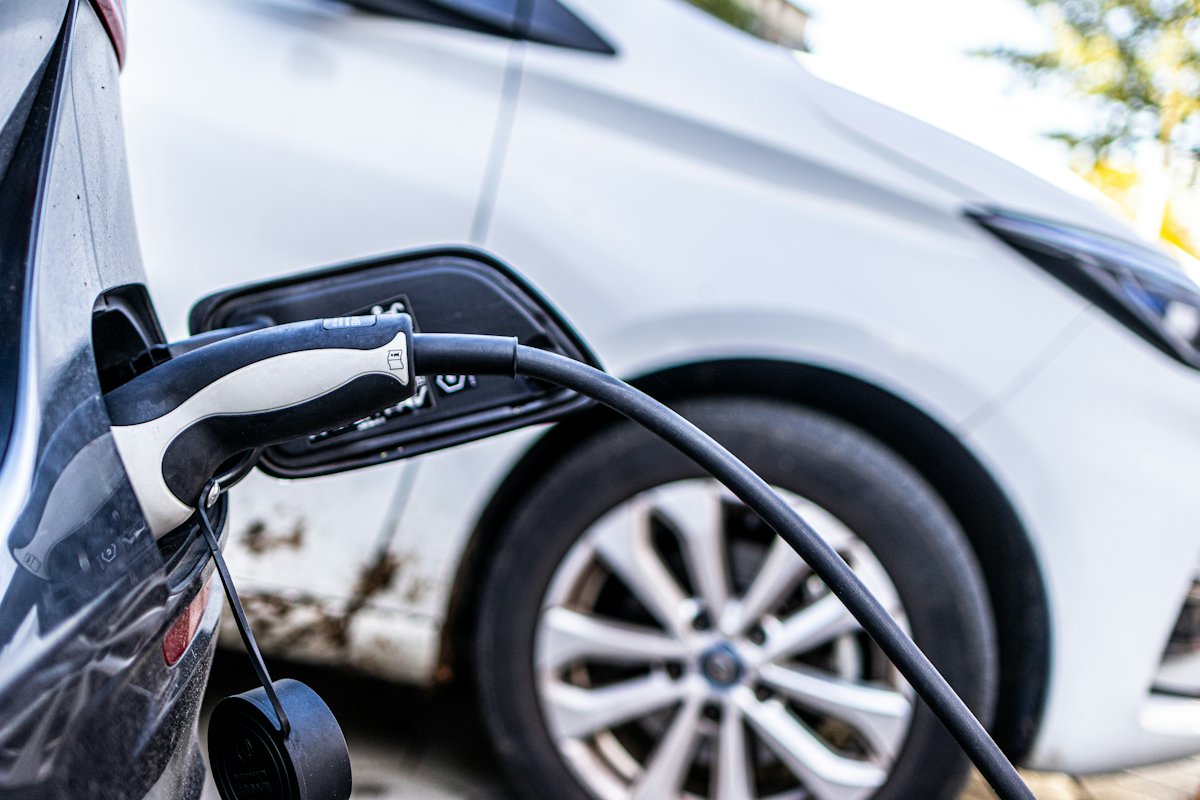
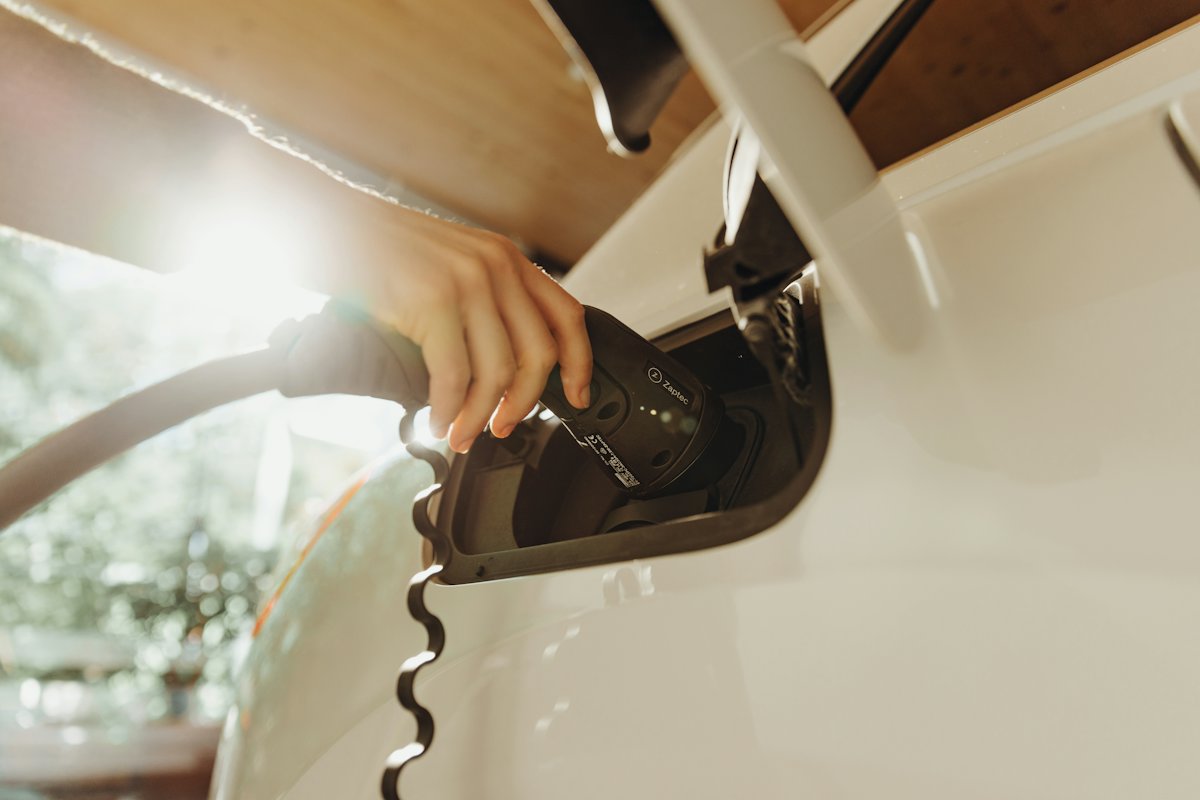
Mark where the car normally sits and identify its charging-port position. Consider how doors open, where people walk and how the cable will be stored between uses. The EPA's home-charging guidance highlights comfortable cable reach and appropriate weather-rated equipment. Bring these practical questions to the installer rather than solving an inconvenient location with an unapproved extension or an improvised arrangement.
Also consider a future vehicle with a different port position, visiting family and any shared driveway. Ask which changes the approved plan can accommodate and which would require reassessment. Look at the controls and status indicators from your normal approach to the car. A unit that is easy to read and handle in its installed location may serve the household better than one with additional features that are awkward to access.
Investigate connected features and offline behavior
List the functions you expect to use: charging schedules, session history, access controls, reminders or household energy-management integration. ENERGY STAR distinguishes connected charging features from the basic task of supplying a supported charging connection. Read the exact manufacturer's description and check whether a function needs home Wi-Fi, a cloud account, a separate accessory or a continuing service arrangement.
Ask what happens when the internet is unavailable, the app cannot sign in or the property changes hands. ChargePoint's published Home Flex information, for example, explains its own scheduled and offline charging behavior; that is a model-specific reference, not a rule for every connected charger. During commissioning, ask the installer to demonstrate the documented normal controls and handover process. Keep vehicle scheduling and charger scheduling understandable so that overlapping settings do not create an unexplained missed session.
Compare the complete proposal and support route
Request separate written information for equipment support and installation workmanship. Identify who you contact for an error message, a connectivity problem, physical damage or a proposed change to the installation. Tesla's home-charging guidance provides one example of an installer consultation and commissioning pathway. Use the same questions with other manufacturers and installers, without assuming that one company's service process applies to another product.
Before accepting the work, obtain the documents, demonstrations and inspection or commissioning records applicable to the project. Store the equipment reference, installer contact, warranty and account-transfer guidance together. Compare complete proposals on scope, everyday usability and clear responsibility rather than equipment price alone. The strongest choice is the professionally assessed arrangement that supports your vehicle and parking routine, with a support process you can explain when something needs attention or the household's requirements change.
The comparison in brief
Compare home charging as a complete service: vehicle compatibility, a qualified site assessment, convenient parking and dependable everyday controls.
- Have a qualified local installer assess the property before deciding which equipment and installation arrangement to buy.
- Compare charging around the vehicle, normal parked time and driving needs rather than the largest advertised output.
- Check cable reach, schedule behavior, offline operation, support responsibilities and the complete written installation scope.
Sources & references
- U.S. Department of Energy AFDC: charging electric vehicles at home
- U.S. EPA: getting started with home EV charging
- ENERGY STAR: electric vehicle chargers and contractor assessment
- ChargePoint: Home Flex features, settings and offline behavior
- Tesla: home-charging planning and certified installer consultation