How to Compare Luggage Brands for Frequent Travel
Frequent travel exposes luggage to a repeating sequence: packing at home, reaching a station or airport, moving through a terminal, unpacking at the destination and returning to storage. A brand comparison becomes more useful when it follows that sequence. Someone taking weekly rail journeys may value easy access and quiet handling, while a traveler checking a case on connecting flights may put repair arrangements and identification higher on the list.
Describe a representative month of travel before building a shortlist. Record how often the bag is checked, how much walking occurs, where it must fit and how long you can be without it. Include a realistic packed load. These details establish what durability and convenience mean for you; a prestigious brand name or a dramatic product demonstration cannot supply that personal definition.
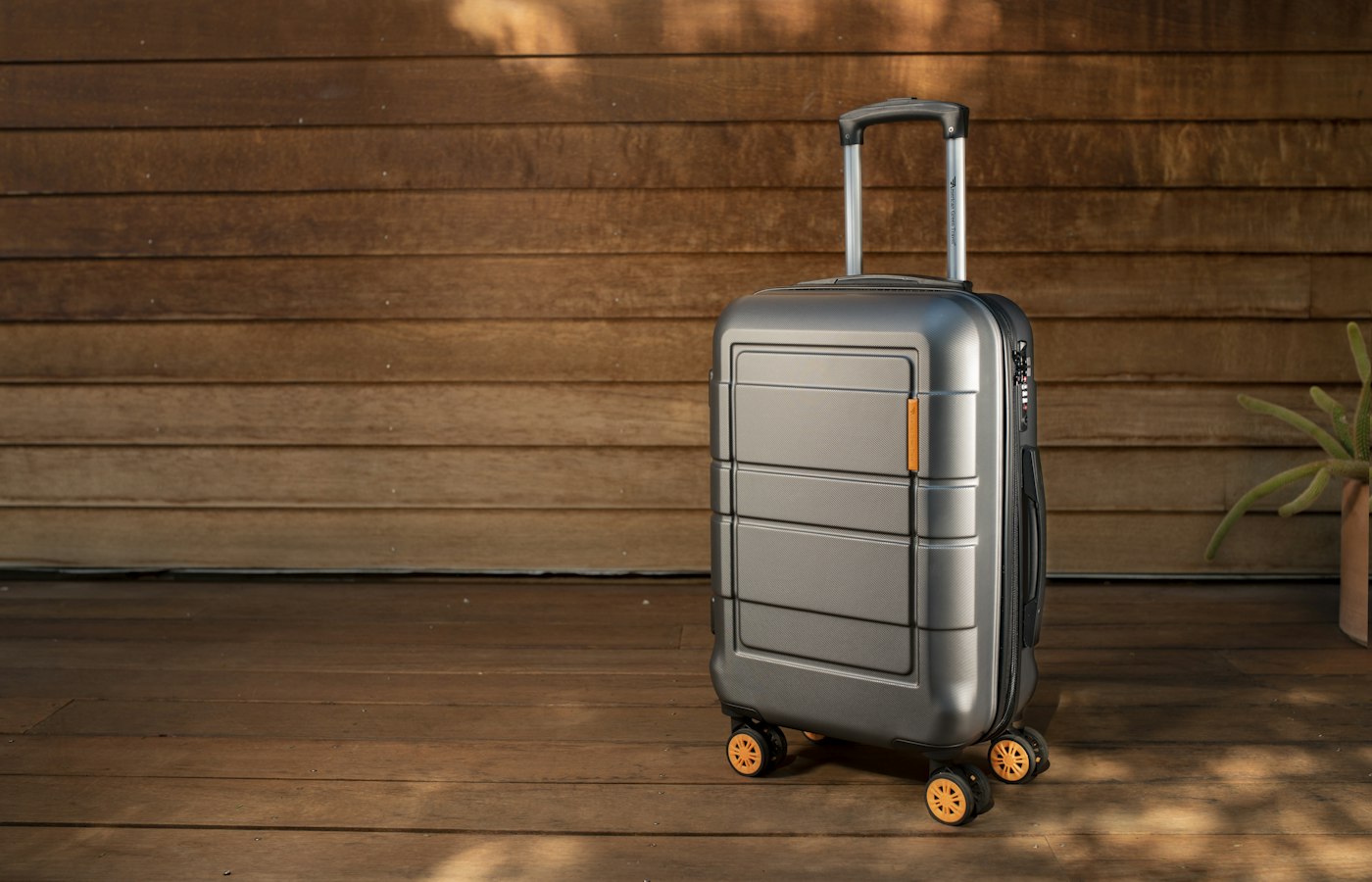
Compare collections, dimensions and working parts
A luggage company may sell substantially different collections. Record the exact collection, material description, size and product reference for each candidate. Compare external measurements, empty weight and the usable internal arrangement. For cabin travel, consult the operating airline's allowance for the booked journey. IATA explains that baggage allowances vary by airline, cabin class and aircraft type, so a familiar cabin label is not a universal acceptance standard.
Look closely at the components you operate on every trip: wheels, handle stages, zip pulls or latches, carrying handles and interior restraints. Ask how damaged parts are identified and replaced. A shell material alone does not tell you whether the handle is comfortable at your walking height or whether a wheel replacement can be organized locally. Keep construction observations separate from any unverified prediction of years of service.
Read the warranty as a defined service promise
Warranty headlines become comparable only after you identify the covered product, purchase date, territory, exclusions and claim procedure. Samsonite's published warranty distinguishes manufacturing defects from several other damage categories, including transport damage. RIMOWA publishes a separate lifetime-guarantee framework and care-and-repair information. These are examples of different documents to examine, not evidence that one policy will be better for every traveler or every purchase.
Save the terms applying to the specific case at the time you buy it, with the receipt and product reference. Ask whether registration is required, who assesses a claim and what proof the service team needs. Separate functional damage, cosmetic marks, ordinary wear and airline handling in your comparison. If you cannot explain which route applies to a broken wheel after a flight, request clarification before treating a warranty phrase as a decisive advantage.
| Ownership question | Evidence to collect | Why it changes the comparison |
|---|---|---|
| What exactly is covered? | Warranty for the named collection and purchase date | A broad headline may have product-specific conditions |
| Where is a repair assessed? | Authorized service route in your country | Convenient access can matter between frequent journeys |
| Who pays to move the case? | Written collection, shipping and return arrangements | The repair process has practical costs beyond parts |
| Can working parts be replaced? | Part identification and current availability confirmation | A repairable design needs a usable supply route |
| What happens after carrier damage? | Brand procedure and the carrier's reporting instructions | Manufacturing warranty and baggage claims are separate processes |
Check repair access where you live and travel
A service network should be evaluated as a route you can actually use. Locate the nearest appropriate service point, confirm whether it accepts your collection and ask how inspection is arranged. A retail store and a repair location may perform different roles. For international travel, clarify whether the service offered abroad matches the terms attached to the case bought in your home market.
Ask how the team handles an unavailable part, an uneconomic repair or a case that needs to be sent elsewhere. Treat quoted turnaround estimates as estimates and record their date. Consider a backup bag if your schedule leaves little room between trips. A repair policy can be valuable without guaranteeing immediate service; the practical question is whether its process fits the amount of downtime your travel routine can accommodate.
Keep brand evidence separate from seller promises
Use the manufacturer's documentation for construction and warranty terms, and verify the seller's own return conditions separately. Check that the product reference on the listing matches the case delivered. A seller's description of global coverage should lead to the applicable brand document, not replace it. For discounted or older stock, identify whether the purchase date, production generation or original sales channel changes eligibility.
Make a small evidence file containing the product page, receipt, warranty version, service contact and photographs of identification labels. If damage appears after airline handling, follow the carrier's reporting process promptly and keep its acknowledgement. The U.S. Department of Transportation's baggage guidance is a useful starting point for relevant U.S. journeys; the rules and deadlines for your own itinerary still require checking with the responsible carrier.
Use a practical trial to finish the shortlist
Within the seller's permitted trial conditions, pack the same representative load in each candidate. Check how the bag balances, how readily you reach essentials and whether the handle suits your stride. Include the protective cover, packing organizers or second bag you normally attach. Do not infer loaded behavior from the ease of rolling an empty display sample across a smooth shop floor.
Finish with a written decision that identifies the strongest fit and any remaining questions. For example, one collection may suit weekly cabin travel because of its layout, while another deserves consideration because local repair arrangements fit a heavy checked-bag routine. This produces a defensible comparison of luggage brands through specific products and ownership support, without inventing a universal durability score or declaring a winner for travelers with different journeys.
The comparison in brief
Compare luggage brands through the complete ownership cycle: useful construction, airline fit, repair access and the exact warranty attached to the case.
- Compare specific collections and sizes rather than assigning one construction standard to an entire luggage brand.
- Read warranty coverage alongside repair access, shipping arrangements and replacement-part availability.
- Evaluate a case through repeated packing, transport and storage, using the routes you actually travel.